Module 01
Design Thinking for AI Leaders
Needfinding · Problem Reframing · Rapid Solution Iteration
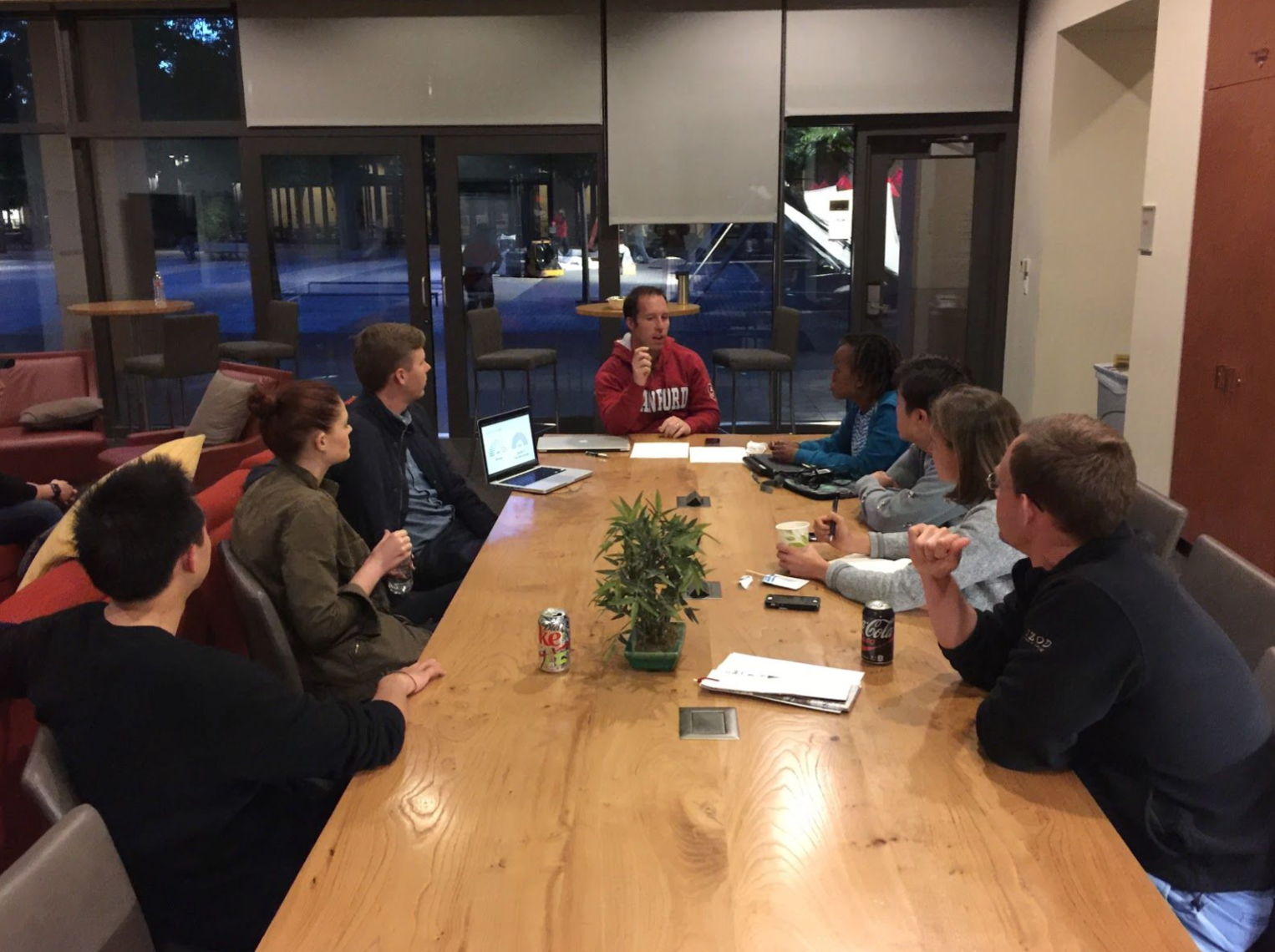
Most AI initiatives stall not from lack of technology, but from solving the wrong problem. This session builds the capability that makes everything else in the program land, not through lecture, but through a complete hands-on sprint. Participants interview real people, uncover hidden needs, reframe problems, generate options, and share work across teams. By the end of the morning, every participant has personally run the full design thinking process once. That lived experience becomes the foundation for how the group approaches AI for the rest of the program.
What Happens
- Program launch: all three faculty set context for the two days ahead
- Blind contour drawing: a fast creative warmup that shifts participants out of analytical mode
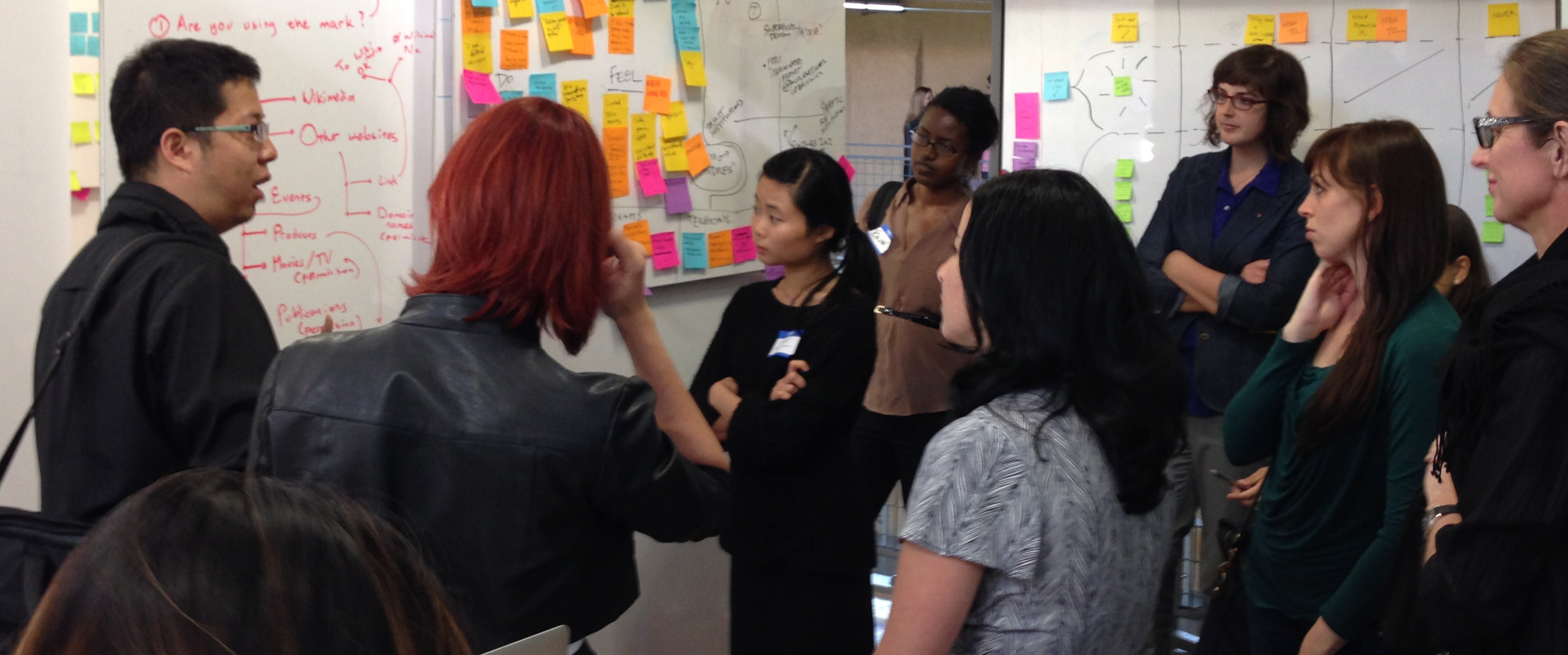
- Design Project Zero: partner needfinding interviews: finding a real unmet need in someone else's life
- "Ask Why" deepening: a second interview pass that surfaces the root need beneath the surface answer
- Problem reframing: converting raw interview insights into crisp, actionable design opportunities
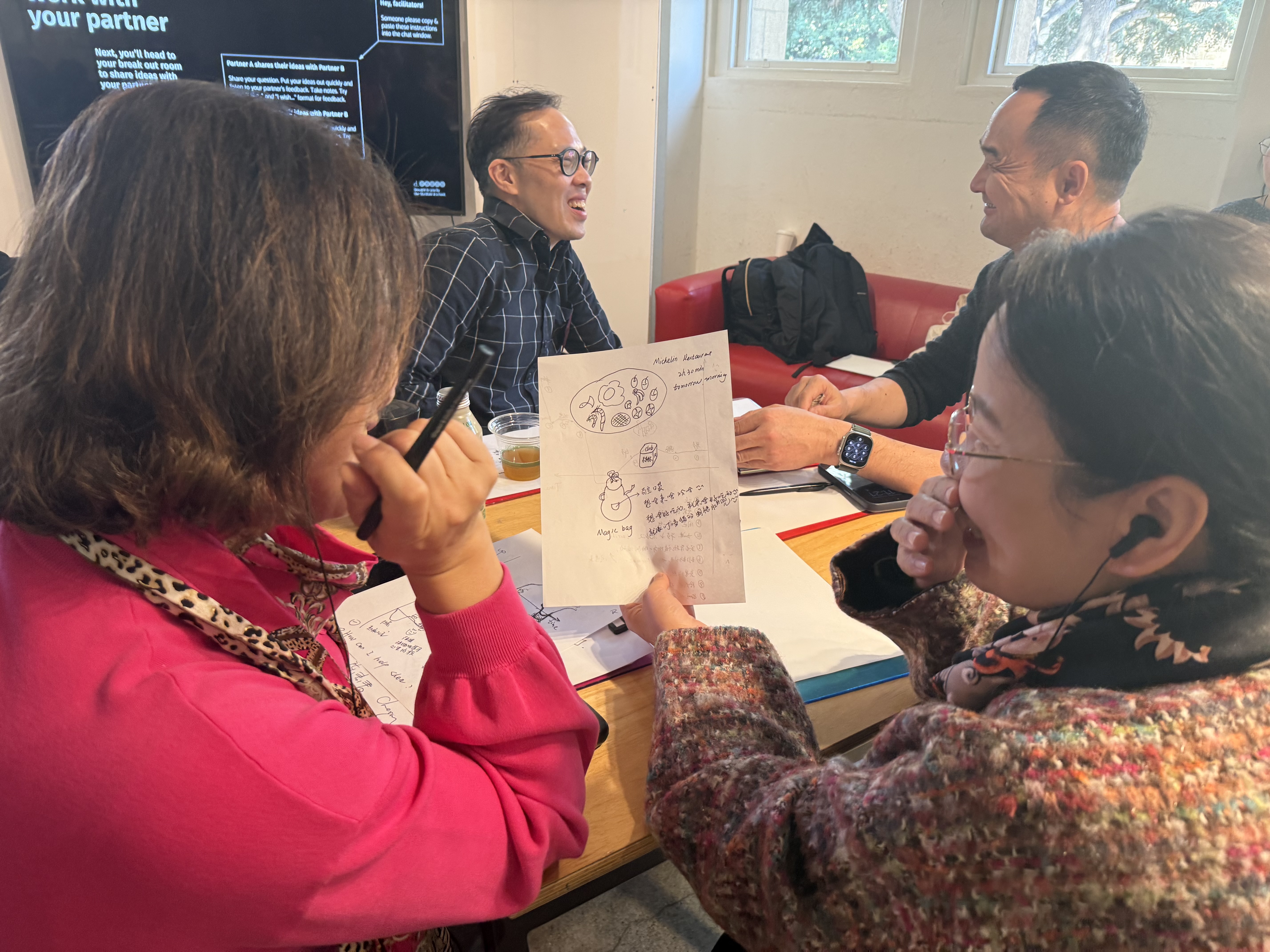
- Rapid brainstorming: generating a high volume of ideas before evaluating any of them
- Concept development and cross-team share-out with structured peer feedback
- Facilitated debrief: how this process reshapes the way leaders find and frame AI opportunities
Module 02
Foresight & the Future of AI
Futures Game · Futures Wheel · Market Signals
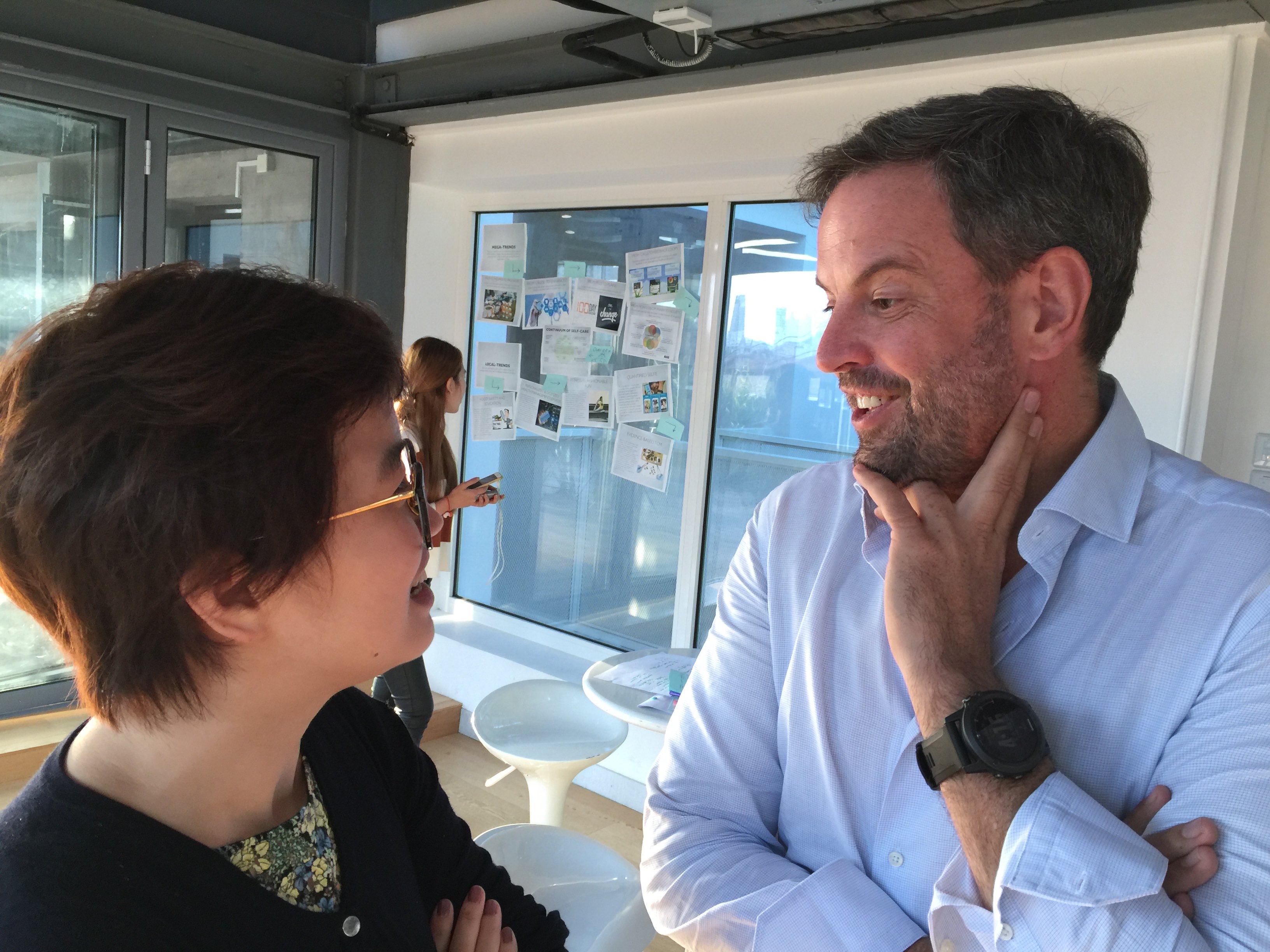
Before leaders can make sound AI decisions, they need two things: a way to think rigorously about futures, and a clear-eyed view of the structural forces actually reshaping AI right now. This session delivers both. The afternoon moves from futurism as an abstract idea to futurism as a concrete leadership practice, and from broad AI optimism to specific, investable trends.
What Happens
Part 1: The Future as a Leadership Tool (Ariel Raz)
- Futurism frameworks: why the future is plural, not singular, and what that means for how leaders set strategy
- The Futures Game: participants physically position themselves on a live 2×2 matrix (conditions improving or worsening × individual versus external forces shaping outcomes), then debate, defend, and reconsider their position as the room shifts
- The Futures Wheel: teams map the second-order effects of assigned AI scenarios, surfacing strategic opportunities hidden in downstream implications
Part 2: What's Actually Happening in AI (Jing Kuang)
- Three structural shifts driving AI's next phase: Compute (from knowledge to energy as the scarce resource), Data (from mining to manufacturing), Algorithms (from apps to agents)
- Market signals: who is making money from AI today and where capital is flowing, and what that reveals about near-term opportunity
- Strategic implications of each shift for enterprise leaders: specific leverage points in the next 3–5 years
Module 03
AI Case Studies: Decide Before the Reveal
Case Deliberation · AI Utility Mapping · Frameworks Debrief
Theory doesn't build judgment. These are real AI deployments, and teams must commit to a recommendation before they find out what actually happened. Cases are drawn from actual enterprise deployments across industries: AI agent rollouts, intelligent automation decisions, and major workforce strategy inflection points. Three cases of increasing complexity, with a rotating panel of "decision-makers" judging the third.
What Happens
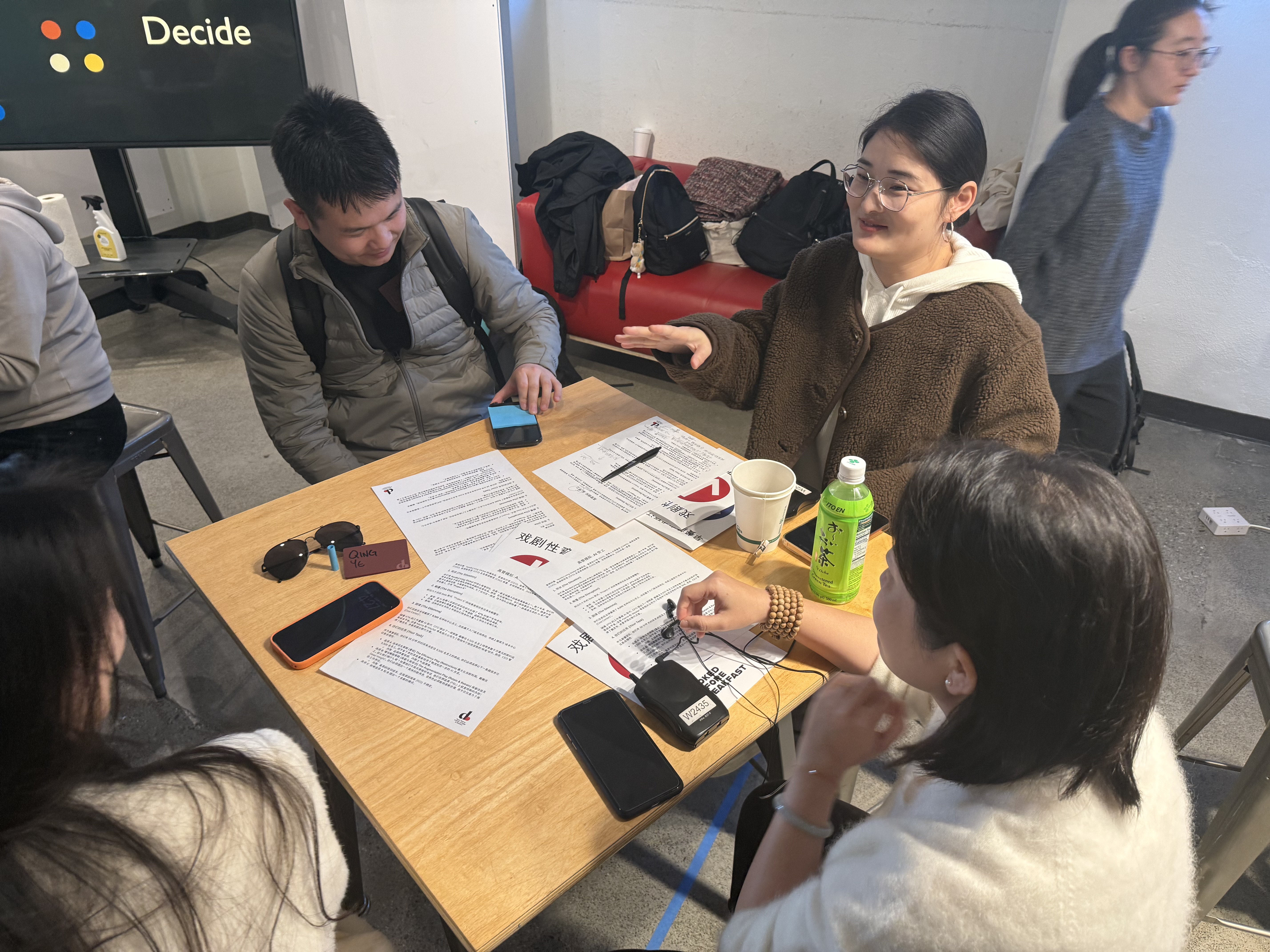
- Case Study 1: A customer-facing AI agent deployment: teams decide on architecture, ownership model, oversight structure, and build-vs-partner strategy, then defend their recommendation. Reveal and debrief.
- Case Study 2: An intelligent workflow automation challenge: teams determine where rules-based logic is sufficient versus where AI judgment is genuinely needed. A counterintuitive result. Reveal and debrief.
- AI Utility Mapping: a live group exercise: where does AI create the most value in your organization, and how hard is it actually to capture? Teams map their own organizations and compare.
- Case Study 3: The Defensible Case: a major global enterprise faces an AI-driven workforce disruption decision affecting thousands of employees. Teams deliberate in breakout groups, present their recommendation to a rotating panel of judges from other groups, and revise under pressure. Then the real outcome is revealed, including the $1.4 billion impact it generated.
- Frameworks debrief: what patterns consistently predict AI deployment success? What kills otherwise promising initiatives?

Module 04
Hands-On AI: Build with the Tools Practitioners Use
Needfinding · Prototype Sprint · Live User Testing
The fastest path to AI intuition is direct experience with the tools. In this session, participants identify a real problem together as a group, frame it using the design review process, and build a working AI-powered prototype using the same environments AI practitioners rely on to move fast. No coding experience required. The product is built through conversation, not code. What participants build is real: a functional application that can be tested by an actual user before the session ends.
What Happens
- Faculty model a live needfinding interview; participants observe how to surface a real problem worth solving
- Team needfinding: participants interview each other to identify and select the problem the group will work on
- Design Review Card: structured brief covering who the user is, what they actually need beneath what they say they want, what the solution will do, and what impact it aims to create
- Prototyping mindset: why executives should build working first drafts rather than wait for engineering to engage
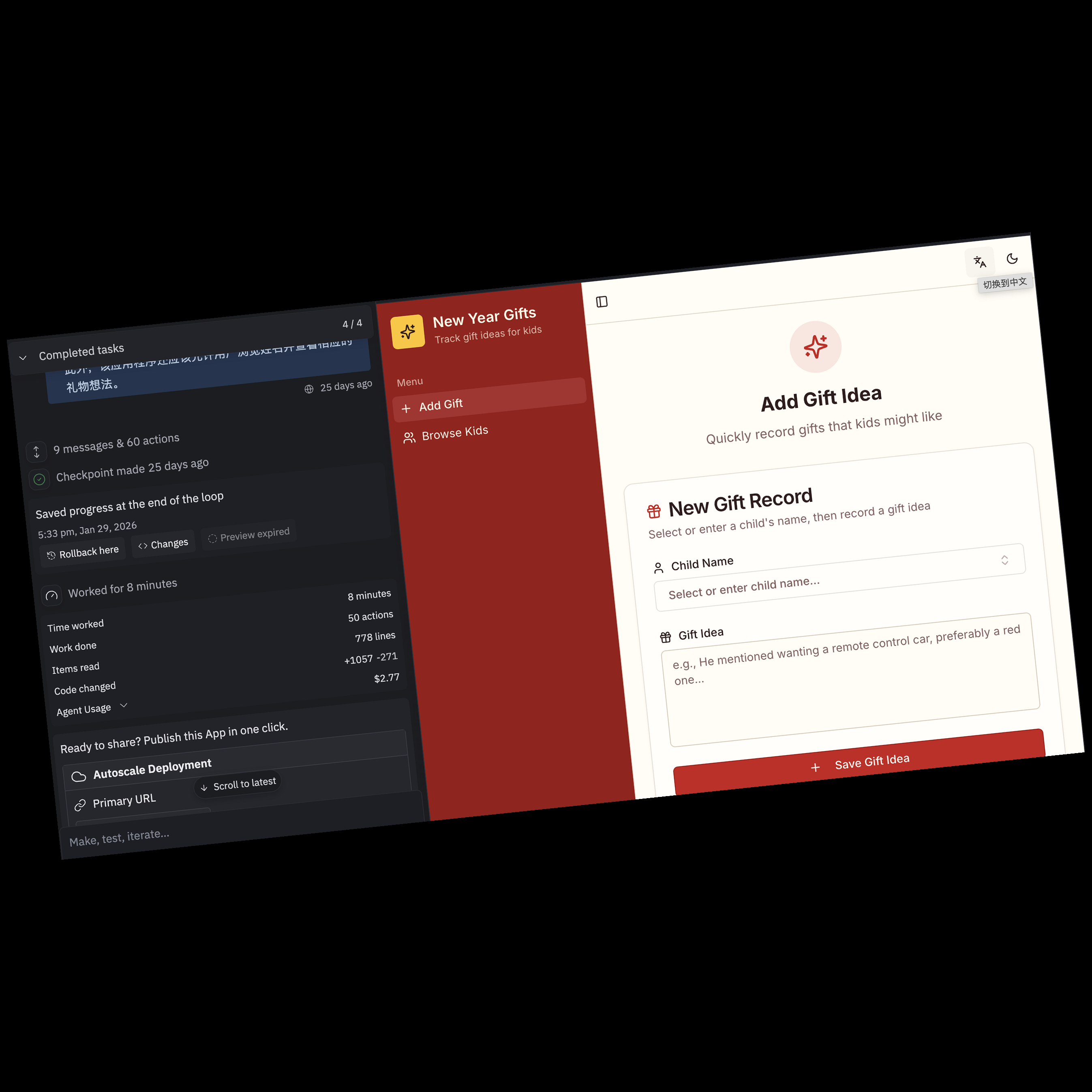
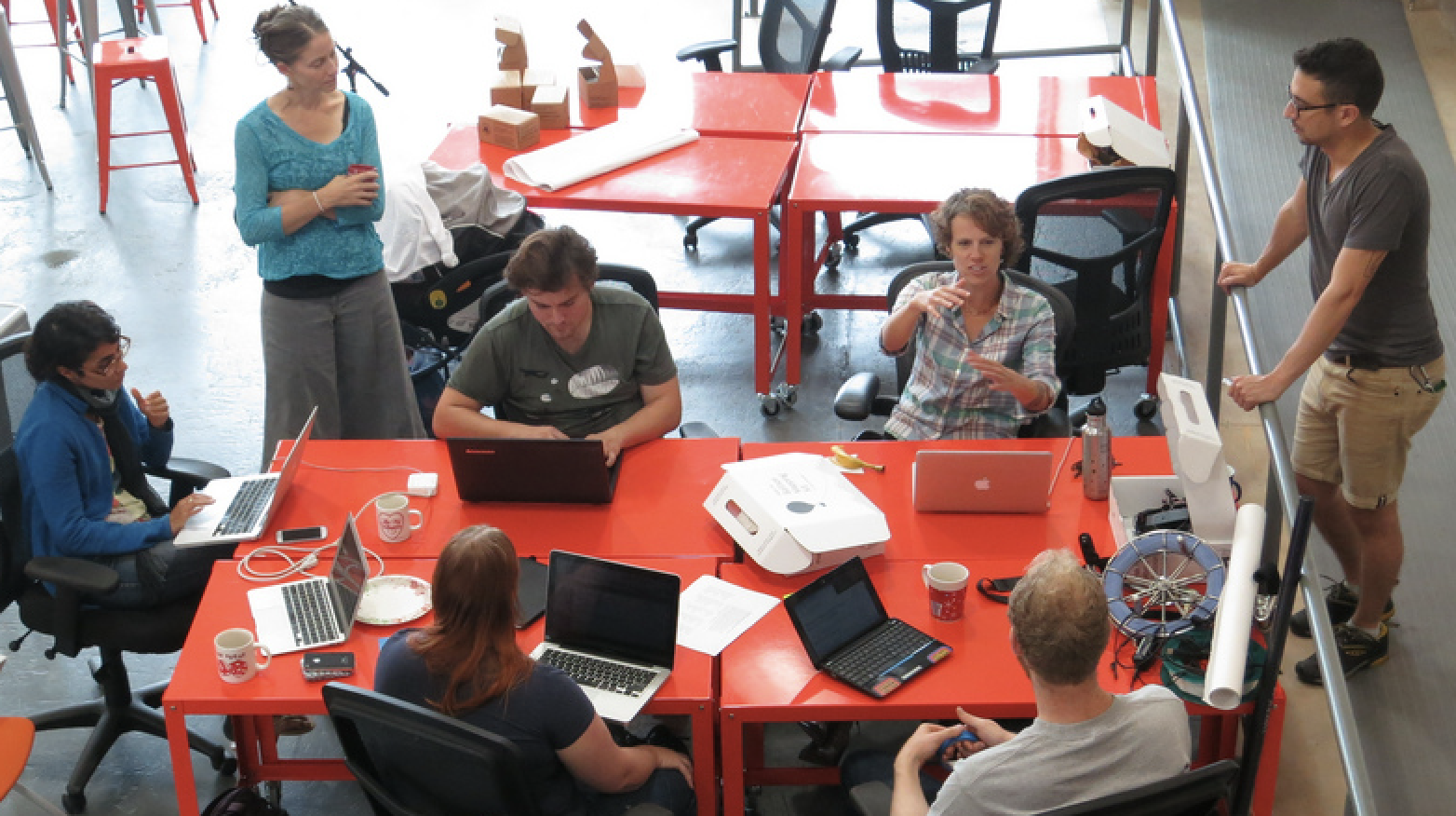
- Prototype sprint: teams build a working AI-powered application using practitioner tools (AI-assisted environments where products are built through natural language, not code)
- Demo preparation (Scenes, Props, Roles): a framework that turns demos into realistic, testable user interactions rather than slide presentations
- Demo to a real user: a participant from outside the team tests the prototype and gives structured feedback
- Rapid iteration: teams revise based on live user feedback
- Closing reflection: what just shifted in how participants think about AI's speed and accessibility?